
ROI the AI Way, Part 2
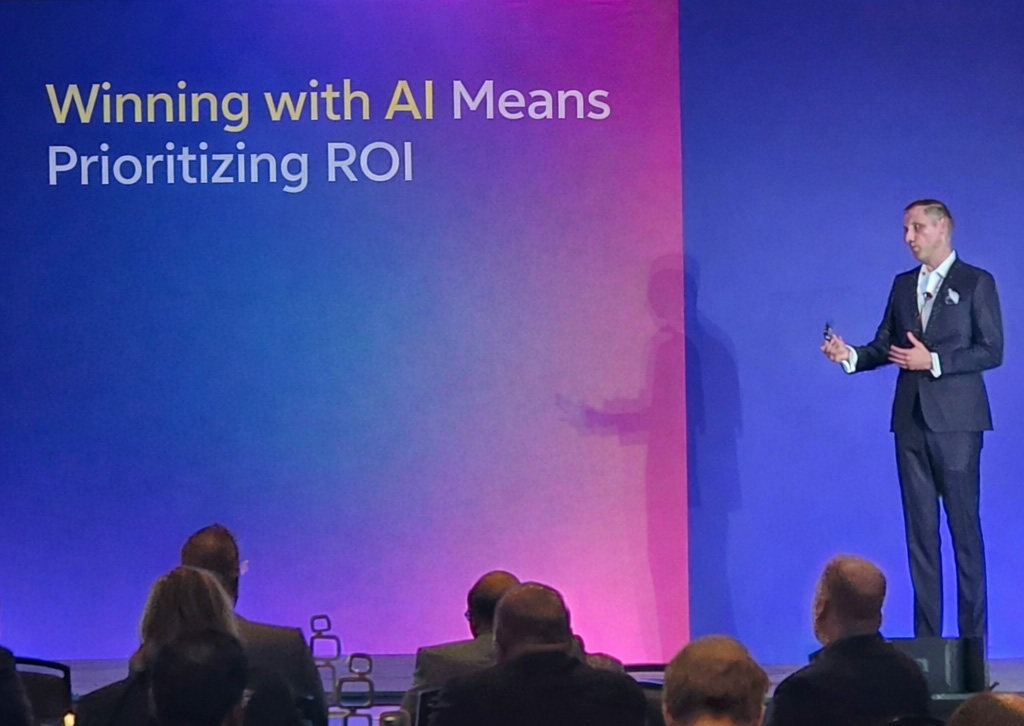
In Part 1 of ROI the AI Way, I discussed where to deploy AI in your organization. My advice was to resist the temptation of “cool” AI projects (unless R&D is your primary business). Instead of R&D, it’s about the P&L. In other words, follow the money: Locate your AI initiatives in the most valuable parts of the enterprise. So, P&L statements then become the map that will show you the way.
But deciding where to place your AI priorities is only half the battle. In this post, we’ll consider the other side of the coin: how to win the AI game once you’ve decided to play. And here’s a bit of a disclaimer: none of this is cheap, so you better be serious about the investment you make in this capability for the long run.
If P&L statements are a strategic map showing you the entire battlefield and where to place your armies, winning the battle is about making sure that this strategic vision actually connects with what you’re doing on the ground. Once you’ve identified the ROI projects to prioritize, do not starve them of resources. Fully dedicate your AI capabilities to those ROI priorities and, in each case, assess two things: level of maturity and level of investment.
Are your existing data and AI tools mature enough to actually deliver the ROI outcomes this particular project requires? I’m not saying that the answer to this question is easy to determine—not at all—it’s worth as many all-hands workshops as it takes (also, the right consulting firm can help a lot). But you’ve got to start somewhere, so to help guide you, a “high-level capabilities” agenda for your maturity assessment meetings:
- Data readiness: Are the right data sources accessible at the right granularity and frequency? Having disparate repositories, outdated methodologies, fragmented permissioning, and more silos than Kansas does not make for a seamless data operation. That operation needs to be nothing less than a well-oiled, fully integrated
- Tech stack: Is the infrastructure scalable for real-time inference? If real-time answers to core functions aren’t on your long-term radar, then you’ve definitely got a maturity issue (your customer experience offerings will not survive without it, for example). Plan for tomorrow in what you build today.
- Talent: Do you have the right mix of data scientists, data engineers, software engineers, and product owners? And where are they positioned? To win the AI game, think tactically. These folks must not be walled off from the rest of the organization. Embedding AI teams within business units ensures proximity to the problems that matter most. How you do that is up to you: project-based consulting, long-term partnerships, or a fully-integrated proof-of-solution teams are all viable options for example.
- Governance: Are responsible AI and model inference monitoring established, and do they exist on more than just paper? Do not let governance be an afterthought. It should be front and center, a foundation to everything else you do. The relatively short history of generative AI in the workplace is littered with stories of failure that could have been prevented if governance had been a priority and something which team members had been invested in.
When weighing these kinds of tactical decisions, stay grounded and keep an eye on ROI-adjacent factors such as the following:
- Value creation: What will actually move the needle in terms of business impacts? Does the value created support your long-term goals? Does it strengthen your competitive advantages (and that of course is a question that should always be top of mind)?
- Strategic priorities: How well do the tactical decisions above align with your long-term vision? Don’t bend strategic priorities to fit your AI program, but the other way around. AI projects must comport with a company’s vision of itself and never distract from the organization’s core objectives.
- Feasibility: In terms of data readiness and the tech stack specifically, do not buy into the hype and do not put yourself in the position of being some startup’s great experiment (or cash cow!). Be conservative and choose vendors and products based on proven results. A lesson from history: at the time Ford introduced the Model T and changed the “horseless carriage” game forever, there were already hundreds of other vehicle manufacturers in existence. Most versions of that era’s transformative technology (and the purveyors who pushed them) would not survive for long. Only a few truly got it right.
- Time to value: Don’t throw good money after bad. Set firm (if slightly flexible) deadlines for results and cut out dead weight when needed. Give AI projects the resources they need but hold them accountable. This also means being choosy about which use cases you pursue. If you do place long bets, vet them carefully. Finally, always be skeptical of pet projects (including your own).
- Cross-functional support: This one would seem to go without saying but the history of organizational communication and behavior tell us otherwise. Hold up any one of your AI initiatives and look at it in the light. Are its connections to legal/compliance, finance, marketing, engineering, leadership, (and more) both present and clear? If not, you’ve got yourself a problem. Fragmented projects deliver fragmented value.
Level of investment is the other piece of winning the AI game and while it’s always easier said than done, the solution remains relatively simple: It’s a matter of organizational will; what it really takes is buy-in across every level of leadership. ROI already works this way in most organizations (or at least it should), so tying AI to ROI means the same level of buy-in should be possible. Done right, AI will pay for itself and then some, just as early software and automation did in their day. But it takes a serious commitment and is not for the fiscally faint of heart.
By the way, if you think you’re getting away with any of this without at least one re-org, think again. But that’s a topic for another time. Today’s takeaway: when organizations align leadership, investment, and execution around the right priorities, AI becomes a durable engine for growth, resilience, and long-term value.

